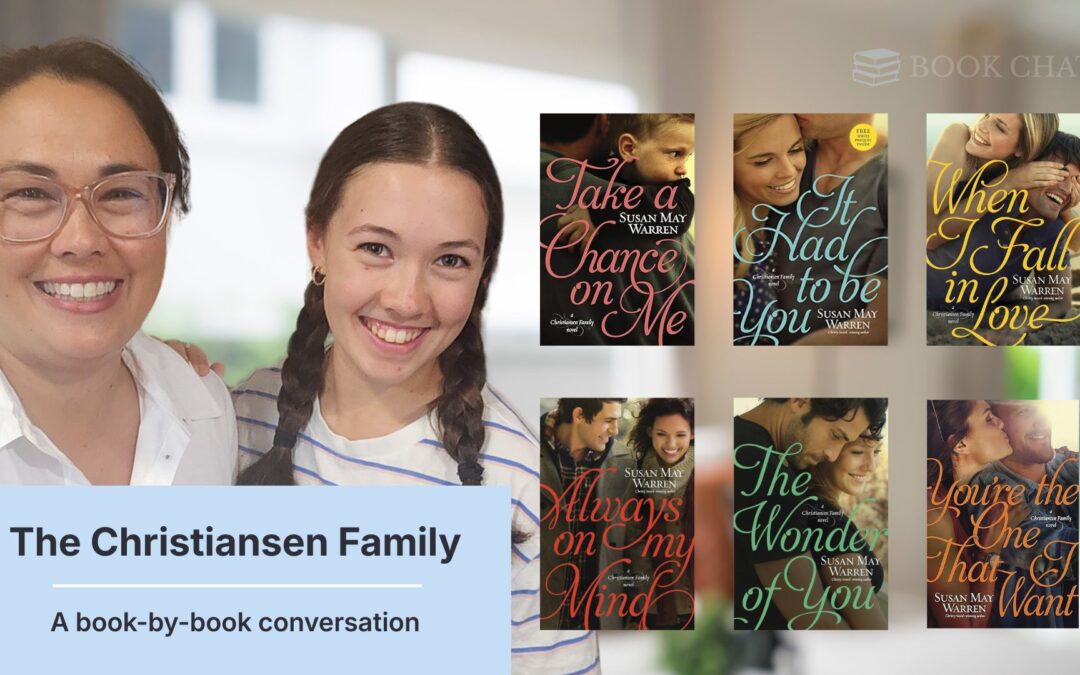
Helen and Liana dig into one of Christian fiction’s most beloved romance tropes: friends to more. They break down the patterns they’ve spotted across multiple books, talk about what makes it work, and debate whether any of it is remotely realistic.
Watch the full Book Chat:
This post is based on one of our Book Chats — you can watch the full conversation below.

What Makes This Trope So Appealing
Liana kicks things off with a straightforward confession: she loves this trope because she loves the idea of marrying your best friend. Someone who has known you for years, who has been there all along. That core appeal is hard to argue with.
But she also came prepared to pick it apart.
The Patterns We Keep Seeing
After looking closely at several friends-to-more books, some clear trends start to emerge.
- Most of these relationships begin in childhood or early life.
- One character often comes from a broken or absent family.
- The other typically has a stable, welcoming home environment.
- In almost every case, the guy falls first.
These patterns show up again and again, to the point where they start to feel like part of the trope’s DNA.
Historical Fiction Handles It Differently
In historical fiction, the friends-to-more dynamic tends to operate on a completely different level.
Instead of internal tension or emotional obliviousness, the conflict is usually external — class differences, family expectations, distance, or social pressure. The characters often already love each other, but something outside their control keeps them apart.
In contemporary stories, the obstacle is much more likely to sit inside the relationship itself.
Why the Silent Suffering Gets Questionable
This is where the trope starts to stretch believability.
One person has been in love for years. The other somehow has no idea. And despite this, they continue on as close friends without anything ever surfacing.
It raises a fair question: how does no one notice? Friends, family, classmates — in real life, people tend to pick up on these things quickly.
A gap in the friendship can help make this more believable. When characters have been apart for years, it gives space for missed signals and emotional reset, making the story easier to accept.
A Few Standout Examples
Some books lean fully into the trope, while others tweak the formula slightly.
- Keep Holding On – Melissa Tagg: hits nearly every classic trope beat, including childhood friendship, long-term feelings, and a significant time gap.
- Everything’s Coming Up Josie – Susan May Warren: flips expectations slightly, with a different family dynamic and a more active romantic turning point.
- Seaside Letters – Denise Hunter: follows a familiar structure but adds a long separation that helps ground the story.
- A Bound Heart – Laura Frantz: a historical take where external barriers drive the tension.
The Bottom Line
The friends-to-more trope asks readers to suspend disbelief in a few key places. But the emotional core — the idea that the person who knows you best might also be the right person for you — is genuinely compelling.
That’s why it keeps working.
The structure may not always hold up under scrutiny, but the payoff is strong enough that readers are happy to go along for the ride.
Do you have a favourite friends-to-more story? We’d love to hear it.